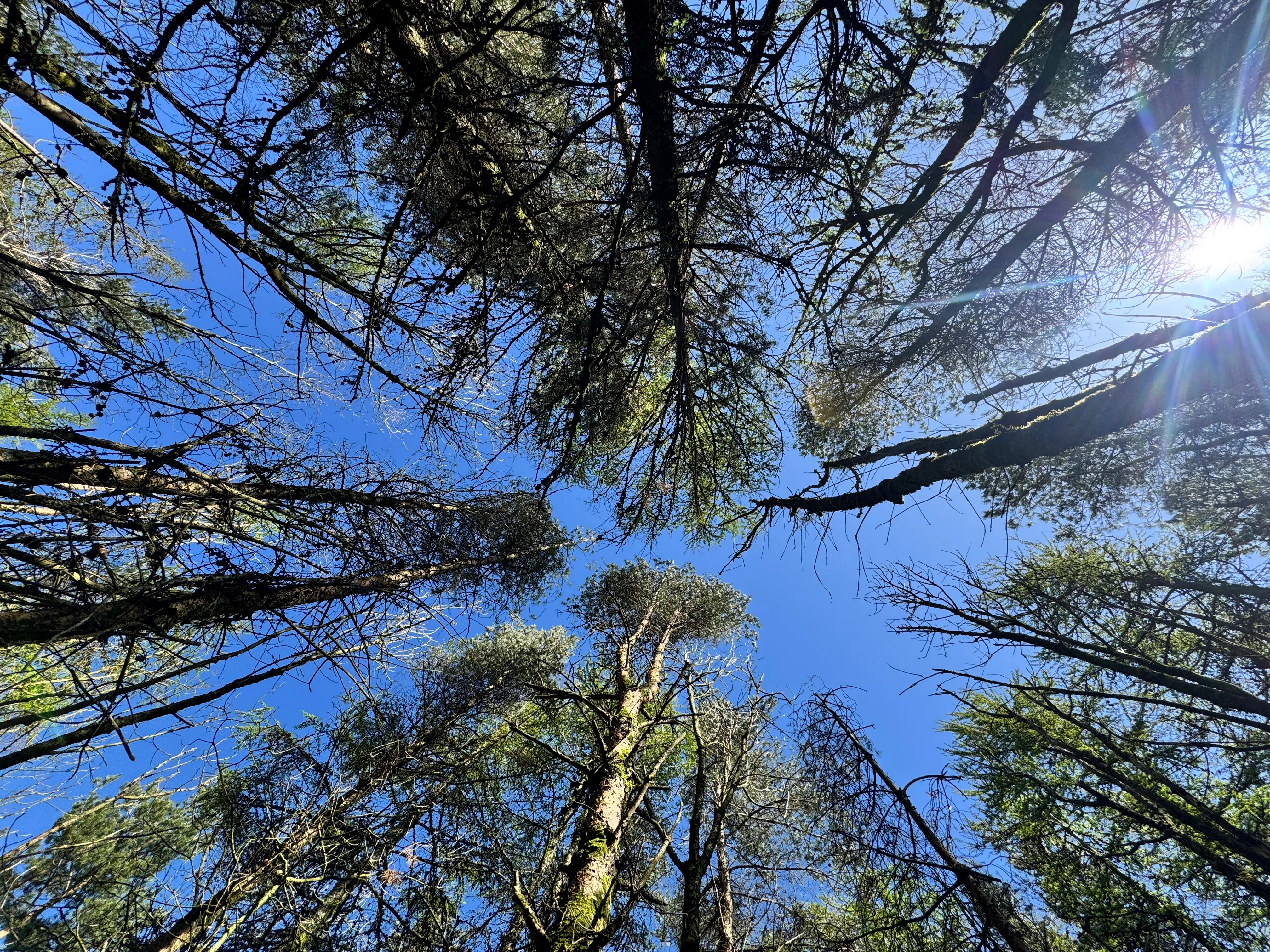
If you're farming for a living, woodland is rarely the first thing you think about. It doesn't feed stock, it doesn't grow food, and it certainly doesn't seem to pay the bills. For many, it simply sits there, a low-priority asset.
This sentiment is often reinforced by outside voices telling farmers what they should be doing with trees - more planting, more focus on biodiversity and habitat - advice that can feel disconnected from the daily reality of making a farm profitable. Instead of simply focusing on planting, the conversation needs to shift to growing the value of the woodlands we already have.
Food production, productive land, and generations of effort matter immensely. The best pastures, the highest-quality flocks, and the finest breeding stock all take years of dedicated work, and woodland is no different. Planting a woodland and walking away for 40 years is akin to putting the lambs out in spring and leaving for a six-month holiday.
An undermanaged woodland is not a neutral thing; it is in slow decline. This decline is visible in poor fencing that allows livestock to drift in and out, a lack of deer control that prevents natural regeneration, and overcrowded trees with poor form that yield low-quality timber. Crucially, without proper management, trees are vulnerable to wind, pests, and disease. The result of neglect is a clearfell after four decades that offers one modest cheque followed by a significant bill to replant. That is not stewardship; it's a loss of long-term investment.
A woodland can and should work like the rest of the farm, only on a longer clock. When managed correctly, it transforms from a liability into a resilient asset. A managed woodland can:
- Produce higher-value timber,
- Generate a reliable supply of fuel wood,
- regenerate naturally through controlled grazing, removing the cost of restocking,
- provide essential shelter for livestock, functioning as a 'living barn' during hard weather,
- create a legacy of value for generations to come, and
- qualify for grant support that directly funds ongoing management.
The shift isn't about abandoning food production, turning the farm into a nature reserve, or becoming a woodland enthusiast overnight. It's about deciding whether you are content to let parts of your holding drift along unmanaged. Unmanaged woodland degrades, loses value, and becomes exponentially harder to fix the longer it is ignored. We are the stewards of productive land that was improved over generations, our legacy should include woodland improvement.
The high-value, resilient woodland I've described isn't a niche ideal, it's precisely the outcome the new woodland grants are built to encourage. Funding is now targeted towards improving structure, resilience and long-term productivity. This means you can strengthen and future-proof your woodland, and increase its capital value without upfront investment.